
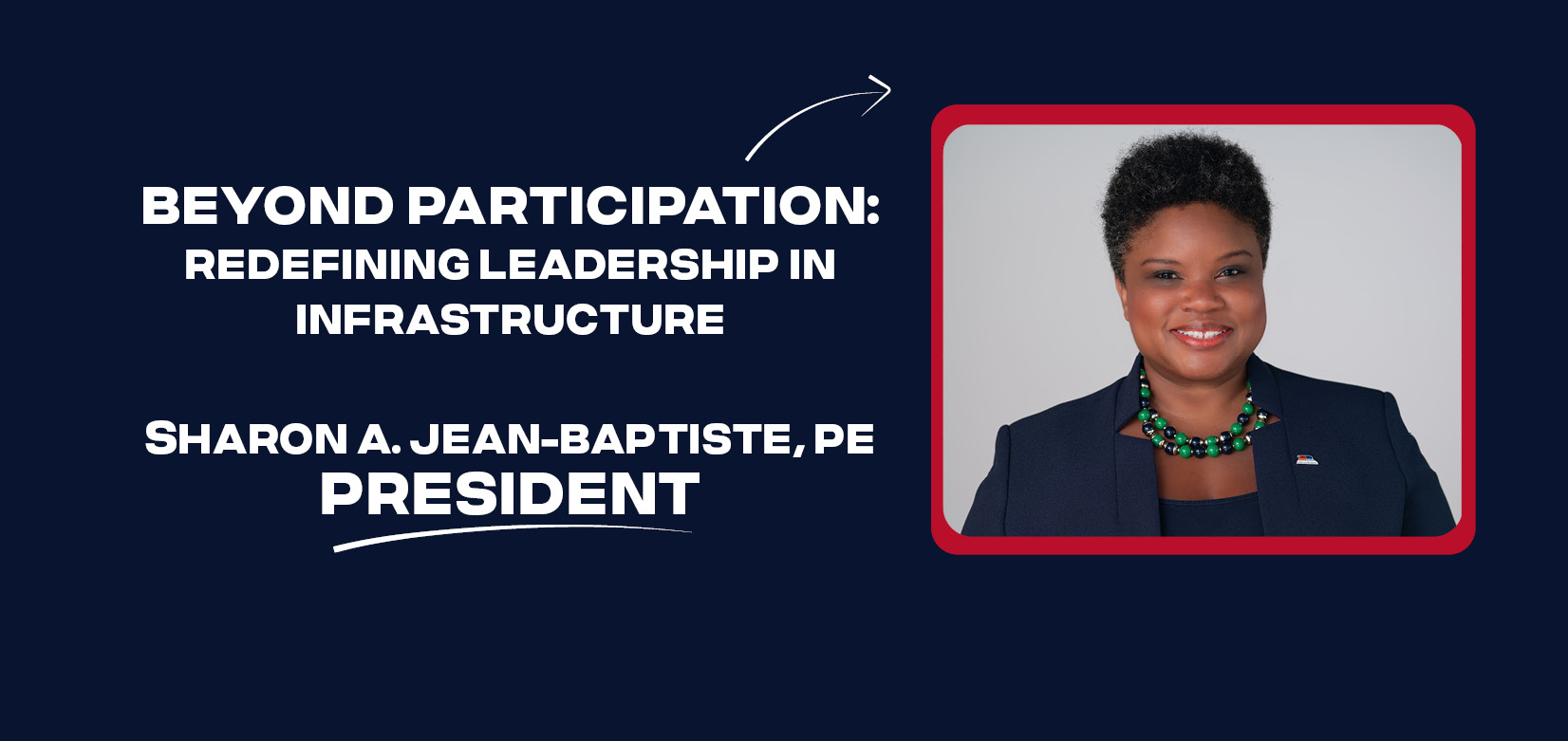
Beyond Participation: Redefining Leadership in Infrastructure
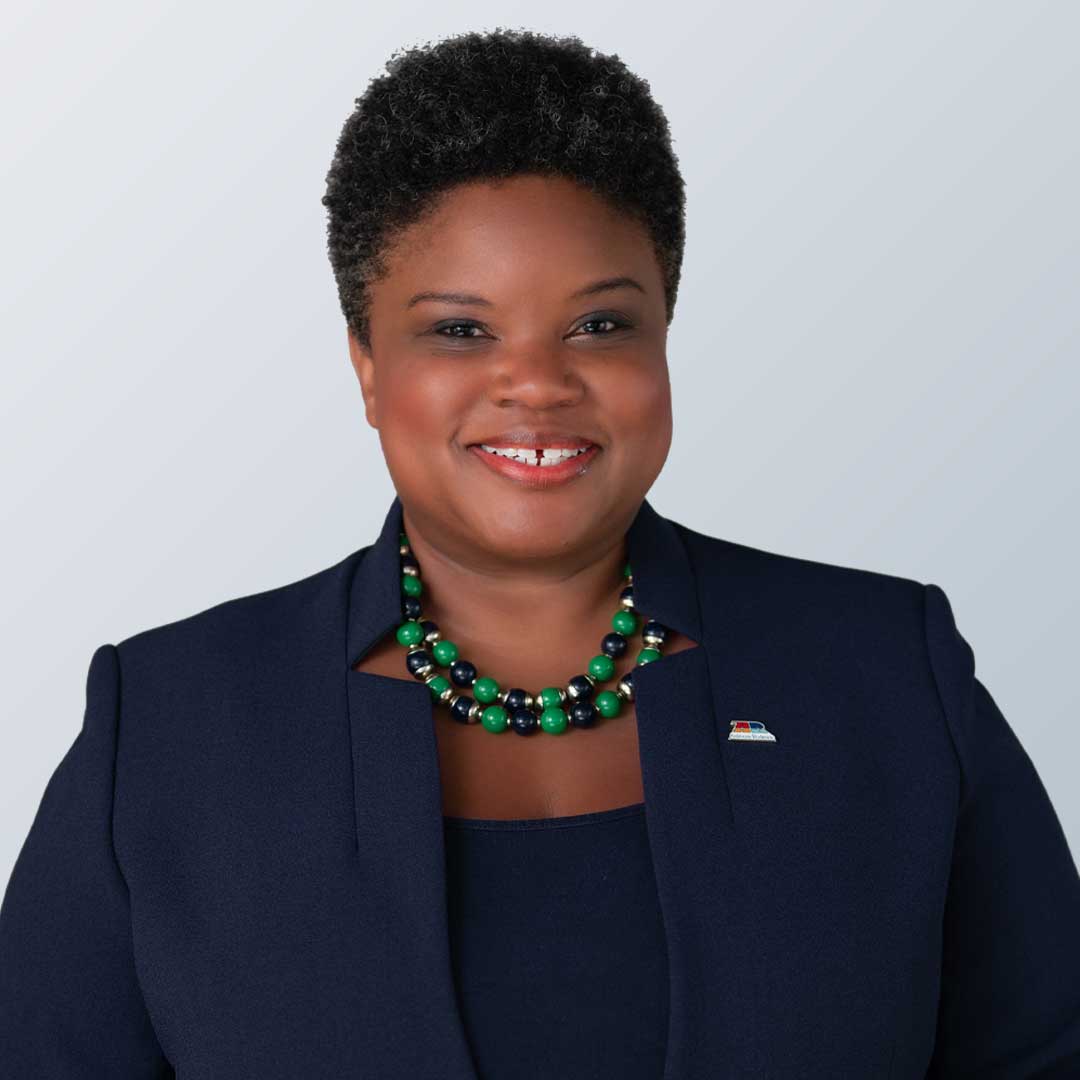
By Sharon A. Jean-Baptiste, PE, MBA
Across the country, we are entering a new era of infrastructure investment.
From transit systems and utilities to facilities and community development, public agencies are advancing large-scale, complex programs that will shape how people live, move, and connect for decades to come.
As this work accelerates, one question is becoming increasingly important:
Who is leading?
For years, the industry has made meaningful progress in expanding participation by creating opportunities for more firms to contribute to major infrastructure projects. That progress has strengthened our field and opened pathways for growth.
But today, the conversation must evolve.
Leadership on complex capital programs requires more than technical execution. It demands the ability to operate at the program level by guiding strategy, managing risk, informing executive decisions, and ensuring performance across interconnected projects. These roles shape not only how projects are delivered, but how communities experience their impact.
“At Ardmore Roderick, our vision is to reimagine infrastructure to improve lives and communities.”
At its core, infrastructure is about more than what we build. It is about improving lives and strengthening communities. At Ardmore Roderick, our vision is to reimagine infrastructure to improve lives and communities-and that belief should guide not only project outcomes, but also how leadership is defined across our industry.
Historically, many firms, including diverse and emerging firms, have had limited access to these leadership positions. This has not been due to a lack of capability, but often due to long-standing perceptions about scale, capacity, and experience.
That is beginning to change.
“Leadership is no longer defined by size alone.”
Across the country, we are seeing a shift. Leadership is no longer defined by size alone. It is defined by performance, perspective, and the ability to deliver results.
When firms are positioned to lead at the program level, it does more than expand representation. It strengthens outcomes. It brings new approaches to problem-solving, enhances collaboration, and ensures that infrastructure investments reflect the needs of the communities they serve.
This shift requires intention from every part of the industry.
Public agencies must continue to evaluate how procurement structures, contract requirements, and partnership models either enable or limit access to leadership roles. Creating pathways for firms to grow from subcontractor to prime, and from participant to program leader, requires sustained commitment and thoughtful design.
At the same time, firms must be prepared to meet the moment.
That means investing in leadership, strengthening internal systems, and building the operational discipline necessary to deliver at scale. It requires a long-term mindset focused on consistent performance, trusted partnerships, and continuous growth.
“When we expand who leads, we expand what is possible for the industry and the communities we serve.”
The firms that will lead in this next chapter are those that are not only technically strong, but organizationally prepared and aligned around a clear purpose. They deliver excellence while creating lasting impact for the communities they serve.
I am honored to have been recently recognized among Crain’s Notable Leaders in the AEC Industry. This acknowledgment reflects the broader momentum across our field and reinforces the importance of continuing to expand access to leadership opportunities.
As we look ahead, we have an opportunity to redefine leadership in infrastructure.
Not as a matter of participation, but as a standard of excellence.
Because when we expand who leads, we expand what is possible for the industry and the communities we serve.
Sharon A. Jean-Baptiste, PE, MBA is President of Ardmore Roderick, a national infrastructure firm supporting transportation, utilities, and facilities programs across the country.